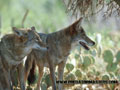
Here is my take on the issue. There is one day in each season that the coyote is at it's best. Before that, it isn't completely furred out. After that day, it begins to get more damage from fences, burrs etc. Therefore, there is a window in which a pelt has value. Early in the year, the pelt will be gaining daily and likewise, late in the year, the pelt will be getting worse daily.
So, when looking to sell the pelt, the furtaker needs to gauge for themselves what is acceptable. Early in the year, populations are high and numbers can help make up for fewer dollars per pelt. Late in the year, the numbers will most likely not be there. The furtaker needs to watch the pelts as they are taken and make that judgement call as conditions warrant. I would expect coyotes that live in areas relatively free of brush will likely stay good longer than coyotes that travel through large areas of brush.
In my area, it seems that late January is a good time generally to hang it up for the year. However, I have seen several rubbed coyotes this year and know that in some years I have taken good coyotes into late February.