I noticed that I could not put a bullet in the case as easy as some of my other rifles rounds.. I could usually press a bullet in the necks quite easy. But my 204 I noticed has some good tension to it after fired .. This is my first non factory barrel also.. Is this normal?? Thanks. Dan


You are using an out of date browser. It may not display this or other websites correctly.
You should upgrade or use an alternative browser.
You should upgrade or use an alternative browser.
Brass neck tightness after fired?
- Thread starter dan158
- Start date

A sizing die wont fix the need to anneal the cases...how old/how many times have these cases been reloaded??? Brass work hardens, it gets harder the more you use it. Do the bullets seat with a lot of pressure when you are loading them??? If the cases are giving you a kind of "chirp" when you retract from the resize die and pull the mouth over the expander this is a sign you need to anneal them.

OldTurtle
Moderator - Deceased
Measure your neck on the .204 of a factory round and one that has been fired one time, as well as one that you have just sized...The amount of 'spring back' is your first sign of needing to anneal if that is a concern...
There are three things with small caliber rounds that can affect your seating process...Case neck lubrication, brass brittleness, and your neck sizing ball adjustment...
Failure to have adequate lube in the case neck will cause a 'hard feel' when seating a bullet, brass that has been reloaded too many times will start to get brittle and there is a factor difference between full length sizing and neck sizing as to the amount the brass is worked, and if your sizing ball is not correctly set in the sizing process, the seating process can be affected...
Most of my sizing dies are adjusted with the neck sizing ball positioned where the pressure relief hole is located in the die, as that is when the ball and the die wall is sizing the neck at the same time..If the sizing ball is too far down, or too high in the sizing die, the case neck will not be at it's optimum tension/size.
There are three things with small caliber rounds that can affect your seating process...Case neck lubrication, brass brittleness, and your neck sizing ball adjustment...
Failure to have adequate lube in the case neck will cause a 'hard feel' when seating a bullet, brass that has been reloaded too many times will start to get brittle and there is a factor difference between full length sizing and neck sizing as to the amount the brass is worked, and if your sizing ball is not correctly set in the sizing process, the seating process can be affected...
Most of my sizing dies are adjusted with the neck sizing ball positioned where the pressure relief hole is located in the die, as that is when the ball and the die wall is sizing the neck at the same time..If the sizing ball is too far down, or too high in the sizing die, the case neck will not be at it's optimum tension/size.
SlickerThanSnot
New member
Originally Posted By: OldTurtle
Failure to have adequate lube in the case neck will cause a 'hard feel' when seating a bullet,
i have never lubed the inside of the case neck before seating a bullet. in fact i want them totally lubeless before i put a bullet in them. have i been doing it wrong all these years?
Failure to have adequate lube in the case neck will cause a 'hard feel' when seating a bullet,
i have never lubed the inside of the case neck before seating a bullet. in fact i want them totally lubeless before i put a bullet in them. have i been doing it wrong all these years?
Originally Posted By: SlickerThanSnotOriginally Posted By: OldTurtle
Failure to have adequate lube in the case neck will cause a 'hard feel' when seating a bullet,
i have never lubed the inside of the case neck before seating a bullet. in fact i want them totally lubeless before i put a bullet in them. have i been doing it wrong all these years?
Me too.
I give them a quick twist with a dry bore brush to make sure they are clean and bone dry after they come out of the tumbler.
Failure to have adequate lube in the case neck will cause a 'hard feel' when seating a bullet,
i have never lubed the inside of the case neck before seating a bullet. in fact i want them totally lubeless before i put a bullet in them. have i been doing it wrong all these years?
Me too.
I give them a quick twist with a dry bore brush to make sure they are clean and bone dry after they come out of the tumbler.
Blackhawk43
New member
My first thought would be a tight-neck chamber and the need to turn the necks on your brass if this is a custom barrel.

204 AR
Well-known member
I think what the op was referring to is that the fired brass comes out of the chamber with the neck barely expanded, to where a new bullet has some resistance sliding into the neck of the fired case. (Before resizing). Barring any dents or dings it's a sign that your chamber has a fairly tight neck in relation to the neck thickness of your brass. This is fine, actually great, IMO, unless it's so tight you can't push a bullet into it at all. Then it would be time to turn necks a little. I ran into that scenario on my 17/223.
And you're correct in thinking that you won't see that happen with brass from 99% of factory chambers.
And you're correct in thinking that you won't see that happen with brass from 99% of factory chambers.

Originally Posted By: 204 ARI think what the op was referring to is that the fired brass comes out of the chamber with the neck barely expanded, to where a new bullet has some resistance sliding into the neck of the fired case. (Before resizing).
And you're correct in thinking that you won't see that happen with brass from 99% of factory chambers.
Correct, after it comes out of chamber. I measured in the neck case after fired.. It is .204... Can slide a bullet in with some resistance.. I checked brand new cases from hornady and they measure .203.. Also after resize with redding dies they come out .203..
The barrel is JP 204 Ruger... Thanks. Dan
And you're correct in thinking that you won't see that happen with brass from 99% of factory chambers.
Correct, after it comes out of chamber. I measured in the neck case after fired.. It is .204... Can slide a bullet in with some resistance.. I checked brand new cases from hornady and they measure .203.. Also after resize with redding dies they come out .203..
The barrel is JP 204 Ruger... Thanks. Dan
Blackhawk43
New member
As long as you are not seeing signs of pressure I wouldn't worry about it. You should have less stretching of brass.

DannoBoone
Active member
Originally Posted By: dan158Originally Posted By: 204 ARI think what the op was referring to is that the fired brass comes out of the chamber with the neck barely expanded, to where a new bullet has some resistance sliding into the neck of the fired case. (Before resizing).
And you're correct in thinking that you won't see that happen with brass from 99% of factory chambers.
Correct, after it comes out of chamber. I measured in the neck case after fired.. It is .204... Can slide a bullet in with some resistance.. I checked brand new cases from hornady and they measure .203.. Also after resize with redding dies they come out .203..
The barrel is JP 204 Ruger... Thanks. Dan
You may have, by accident, what Varmint Al achieves on purpose:
http://www.varmintal.com/arelo.htm#Fitted_Necks
What a tinkerer that guy has been!
And you're correct in thinking that you won't see that happen with brass from 99% of factory chambers.
Correct, after it comes out of chamber. I measured in the neck case after fired.. It is .204... Can slide a bullet in with some resistance.. I checked brand new cases from hornady and they measure .203.. Also after resize with redding dies they come out .203..
The barrel is JP 204 Ruger... Thanks. Dan
You may have, by accident, what Varmint Al achieves on purpose:
http://www.varmintal.com/arelo.htm#Fitted_Necks
What a tinkerer that guy has been!
I might have issues now with my brass... Is nosler brass thicker than hornady?? I think this might be the problems with some of my brass now after looking back on this thread..
Neck O.D after fired... .230 After resized and bullet seated O.D is .227 I have to check again with this new nosler brass..
Neck O.D after fired... .230 After resized and bullet seated O.D is .227 I have to check again with this new nosler brass..
SenderoMan
New member
Originally Posted By: dan158Neck O.D after fired... .230 After resized and bullet seated O.D is .227 Thanks all for the help and info.. Dan
That's perfect!
That's perfect!
One of the very first issues you can see when necks get brittle is the bullets can not be slid back into the case after firing. This may also be an indicator of inconsistent neck tension from case to case. Annealing fixes this issue, I use a simple propane torch, pan of water, no primers in the cases.
Brushing the necks can help, especially if you use Motor mica on the brushes. I have seen many instances where a Load will work very well with the use of this simple cheap tool, but without it, the case exerts too much grip on the bullet causing inconsistent pressures:
Forester/bonanza case graphite
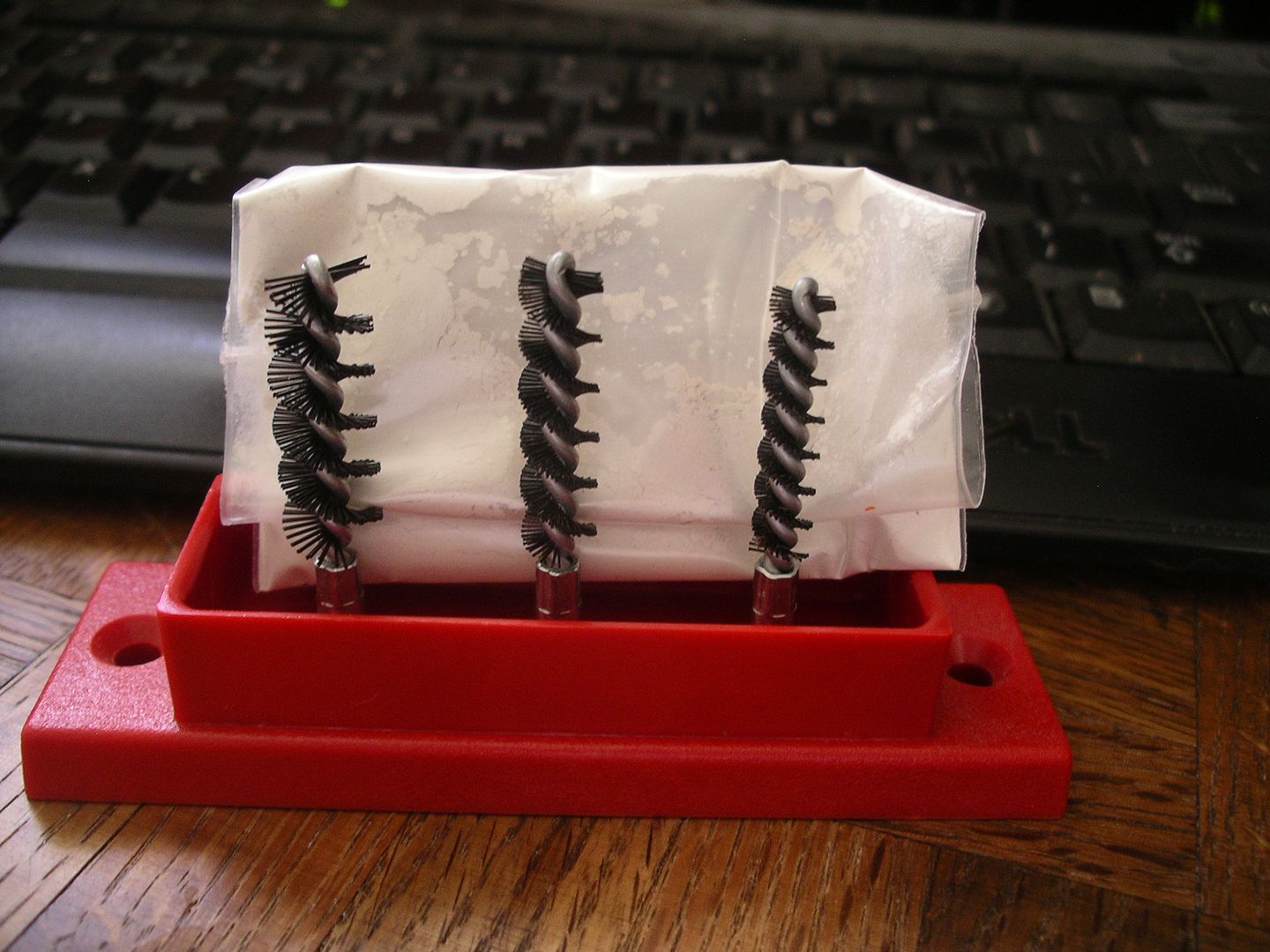
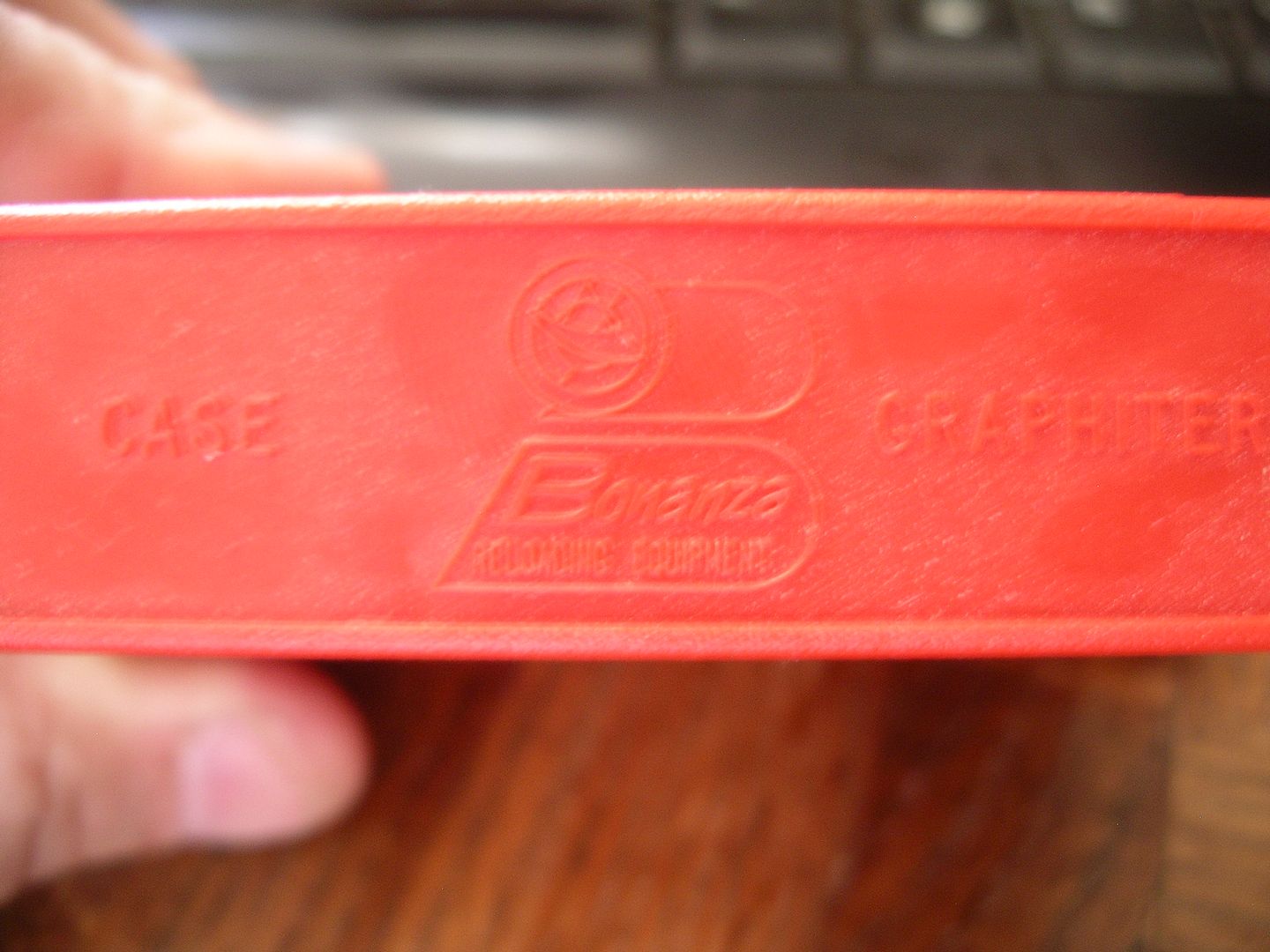
small bag of motor mica comes with the little unit, and it will last a very long time. You can buy motor mica by the pint can also, it goes a long ways.
http://www.midwayusa.com/product/301357/forster-original-case-neck-lubricator
It is hard to explain just how effective this cheap little devise will uniform the pressures from lubing the inside of the case mouths.
Old Turtle brought up this very important step in reloading, wonder what method he is using?
Brushing the necks can help, especially if you use Motor mica on the brushes. I have seen many instances where a Load will work very well with the use of this simple cheap tool, but without it, the case exerts too much grip on the bullet causing inconsistent pressures:
Forester/bonanza case graphite


small bag of motor mica comes with the little unit, and it will last a very long time. You can buy motor mica by the pint can also, it goes a long ways.
http://www.midwayusa.com/product/301357/forster-original-case-neck-lubricator
It is hard to explain just how effective this cheap little devise will uniform the pressures from lubing the inside of the case mouths.
Old Turtle brought up this very important step in reloading, wonder what method he is using?
Last edited: