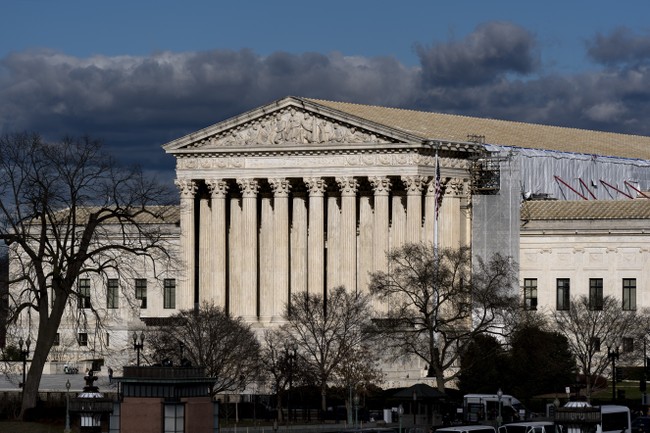


the Supreme Court ruled 6-3 Monday in favor of President Trump’s executive order directing the DHS to verify the citizenship of people on the states’ mail-in ballot rolls.
It also instructs the post office to create rules to ensure that only verified, eligible voters receive mail-in ballots. But it’s not clear how much of it can be implemented before the November elections.
This wasn’t the Court’s final action but an unsigned order. It didn’t rule on the merits of Trump’s order but found that the states suing to block it hadn’t demonstrated that they would suffer harm by complying with the election integrity measures on mail-in ballots – unless you consider it a “harm” to risk turning from a blue state into a red state if the elections are honest.