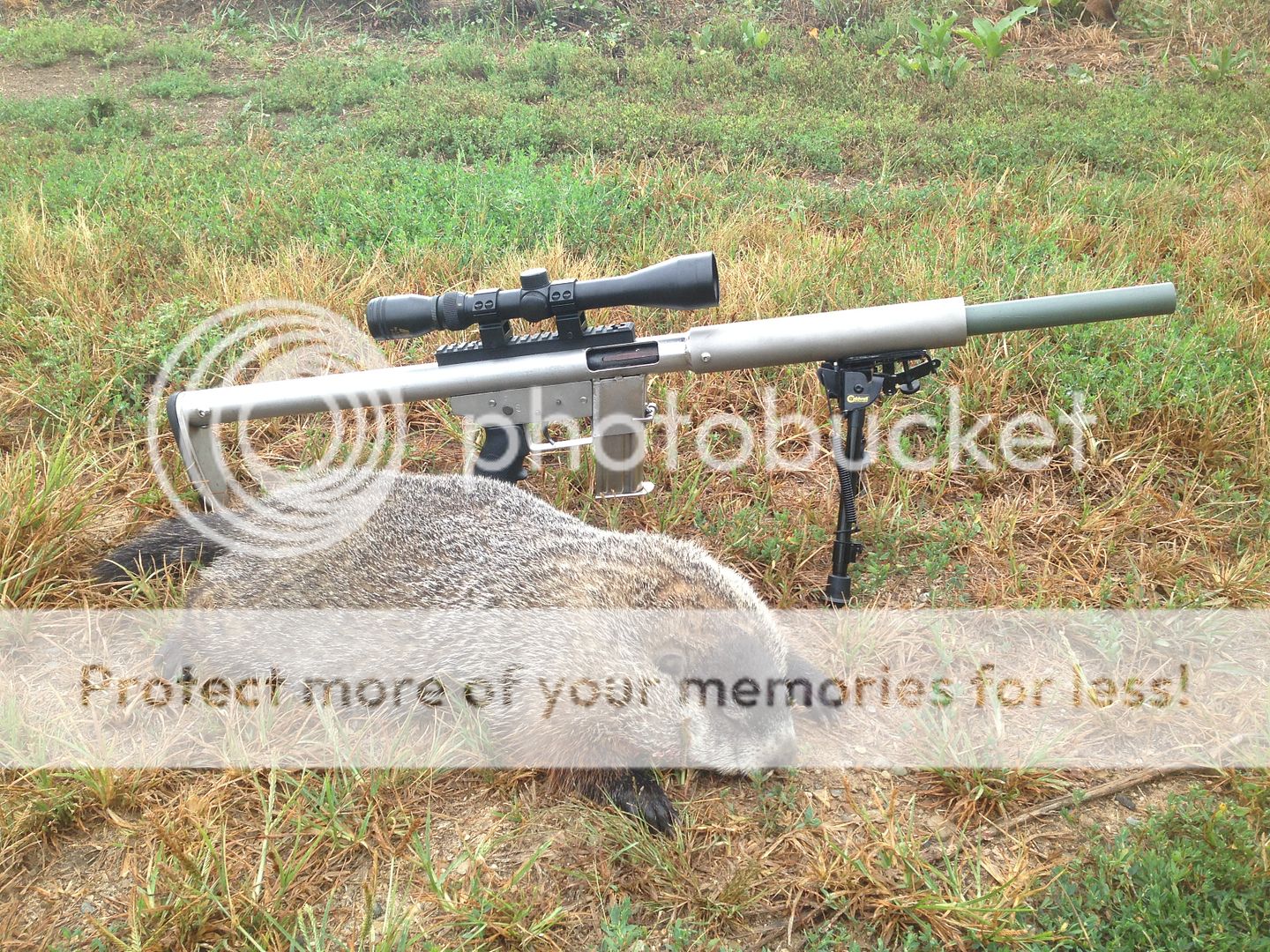
Widow maker 223
Well-known member
I wonder how the flutes will treat the brass.


So, if I don't look then there is nothing there, so nothing to be concerned about? Sounds like mind over matter. How can an inanimate object scare anyone? If there is a problem it will be shown through performance, not what some would conjure up.Personally ??
Me I would do what I've done with a "new" (used, new, or new to me) and is honestly have a rod, jag, and patch, Fire X amount, patch through, remove patch and jag from muzzle before pulling rod back (only cross the muzzle once, never pull back through, protects the crown). Fire XXX (qty of shots don't matter) amount repeat, whether to used a patch with Hoppes or CLP is up to you, or dry. I'll usually start the first time through with CLP, then dry patch, after that one patch dry after x shots. My reasoning for this is simply to break up / remove some carbon to reduce the ability to "cake" not to really clean or "break in". I'll only do this on the first outing, after that I'll clean after shooting.
The other reason for doing so is "IF" there is any abrasives left over from lapping by the barrel maker, a just in case. Which I doubt they are all pretty good about clean-up.
Bore scoping, yeah I simply refuse to do it, regardless of age of the rifle. As I think it "scares the accuracy out of the barrel". Just a opinion, many cling to the practice, can't say they are wrong. Now will I look with a naked eye, down the bore yes Sir, every time. But all I'm paying attention to is concentric rings of the rifling, and seeing if there is any "hooks". In my opinion it (bore scoping) honestly will show a "flaw" that isn't a issue, now the shooter believes there is a problem, and accuracy does south. Once the shooter does not trust the equipment it will never perform. Like I said just "my" opinion.
While I did notice some things in the video none was in my opinion detrimental to the barrel IMHO.

IMO it creates a bias, in the shooters mind.Sounds like mind over matter. How can an inanimate object scare anyone?
Exactly my point... Shoot it then see if there is a actual problem. Without a predetermined bias. If there is a problem sure look down a scope. But looking down a scope first well let's just say I've seen what I have described. The shooter suspects a flaw is a problem, now it is. But give the rifle to someone else whom has not looked at it, and the problem doesn't exist nine times out of 10.If there is a problem it will be shown through performance,
Doesn't surprise me in the least, especially a new gun, I know for a fact they usually don't clean after "test" firing or firing for accuracy. Think of the billable man hours it would tack on every gun. But Yes, as you stated I wouldn't worry about it, until it's fired.I guess i was just surprised to see copper and carbon in a NEW gun more than anything.
There are some real rough spots right at the beginning of the rifling thast kind of concerning but not going to worry about it much till I shoot it.

Oh, dear lord.... maybe I just missed it, but I didn't see that in the video. That throat looks terrible. I don't even know what would have caused that. The bore scope makes tiny things look huge, but it looks like you could slice your finger on that. That's not just a poor chambering job, that's actual damage.
Usually the rule is "see how it shoots first", but I would be looking into sending it back immediately.

This right here should go in the "Quote of the Day" thread.Even if it magically shoots well initially, it's going to collect copper like a tweaker in an abandoned house.