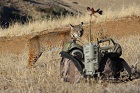

What's your "dead zone" distance?

My territory consists of 100 acre properties with mix of bush and open land, if I can get a coyote to show itself inside of 300 yrds I have a good chance. Most often they just "show up" usually within 100-200 yards un-announced but last year, being the first season using an electronic caller I had one morning where a pack of 5 answered my challenge howls. I tried a mix of different calls there after to get them to commit but they wouldn't. They did howl again and this time a bit closer so I gave them pup in distress and that brought them running! I was only able to get one of the five as they turned back into the bush and out of sight in an instant but the experience was intense. The last 25 years prior I only ever used hand calls and was never confident in my Ed Sceery howler I had.

I will be starting again next week and am looking forward to seeing what this year brings as I've heard from all my deer hunting friends that this year has been crazy with coyote populations. I hunt south western Ontario Canada.
 
I will be completely honest, ive never gotten a coyote to come in (that i know of) after responding to locators. Around here that just puts them on alert.

Breeding vocals, sure. But they rarely ever sound off until in view
 
I will be completely honest, ive never gotten a coyote to come in (that i know of) after responding to locators. Around here that just puts them on alert.

Breeding vocals, sure. But they rarely ever sound off until in view

I'm not sure what sounds you are referring to as "Locators". If you're talking the sirens and whatnot, I have never used them. Maybe you're talking coyote vocals as locators like Torry Cook uses? Also, I have never made calls from the side of the road to locate.

Either way, I'll be completely honest as well... I have never used either as a "Locator" to locate coyotes. With vocals, I feel like that is just increasing your odds of having them start your way before you ever get setup. That increases the chances of getting busted in my way of thinking. Right or wrong, it's just my thoughts.

Many coyotes have vocally responded to coyote vocalizations from my SETUP positions. Very occasionally will a coyote vocalize to prey distress sounds. I cannot recall ever getting a coyote to commit after getting a vocal response to prey distress. Many coyotes have committed after getting a vocal response to coyote vocalization sounds and have died.
 
I'm not sure what sounds you are referring to as "Locators". If you're talking the sirens and whatnot, I have never used them. Maybe you're talking coyote vocals as locators like Torry Cook uses? Also, I have never made calls from the side of the road to locate.

Either way, I'll be completely honest as well... I have never used either as a "Locator" to locate coyotes. With vocals, I feel like that is just increasing your odds of having them start your way before you ever get setup. That increases the chances of getting busted in my way of thinking. Right or wrong, it's just my thoughts.

Many coyotes have vocally responded to coyote vocalizations from my SETUP positions. Very occasionally will a coyote vocalize to prey distress sounds. I cannot recall ever getting a coyote to commit after getting a vocal response to prey distress. Many coyotes have committed after getting a vocal response to coyote vocalization sounds and have died.

Howls when starting a stand
 
Dead zone...30yrds
1000008390.jpg
 
Howls when starting a stand
Gotcha. I wouldn't consider howls on stand as locators. Those would just be part of my calling sequence.

I'm not sure where you're from, BBK, but I think it is interesting how coyotes from around the country react differently to the things we do to attract them. It makes sense when you think of the differences in the pressure they receive, the prey available to them, the terrain they live in, and the biggest one in my opinion, the amount of competition they have from other coyotes on the landscape. It seems like areas with high coyote densities would be far more likely to consistently respond to prey distress just to get there before a half dozen other coyotes. I feel like vocalizations probably get more responses in lower density areas because coyotes are probably a bit more territorial and less tolerant of intruding coyotes. Just a theory I have, as I happen to live in a place not exactly known for high coyote densities, and they aren't shy about firing off when they hear another coyote. I mean a good amount of them show up without making a peep, but it's far from uncommon that they keep their mouths shut. Sounds like some places it outright rare to have a vocal response. Rarer yet to have a vocal response that ends with a dead coyote.

Good conversation, even if it isn't exactly what the OP was asking about.
 
Back
Top