

You are using an out of date browser. It may not display this or other websites correctly.
You should upgrade or use an alternative browser.
You should upgrade or use an alternative browser.
Concealed carry questions....Part II
- Thread starter fw707
- Start date

coleridge
Active member
Originally Posted By: bigtommyI carry a Glock now while on duty I have also carried hk. And a 1911 while carrying those I practiced cocking the hammer while drawing it takes no more time than carying cocked it is all in training and small muscle memory it is too dangerous to Cary cocked
Please tell us how it is TOO DANGEROUS? Do you cock your glock when drawing? Just wondering how you decock it with a live round in chamber? ---- There is no difference in a 1911 cocked than a glock or XD.
I remember when some of the first pistols hit the marked with no external safety. Everyone was "scared". But had no problem carrying their DA revolver around fully loaded (with no external safety). No diff in that either.
Please tell us how it is TOO DANGEROUS? Do you cock your glock when drawing? Just wondering how you decock it with a live round in chamber? ---- There is no difference in a 1911 cocked than a glock or XD.
I remember when some of the first pistols hit the marked with no external safety. Everyone was "scared". But had no problem carrying their DA revolver around fully loaded (with no external safety). No diff in that either.

Squeeze
New member
Originally Posted By: coleridgeThere is no difference in a 1911 cocked than a glock or XD.
Quite different. The Glock striker doesn't cock until the
trigger is depressed to a certain point in the trigger
travel. Not sure on the XD, but I suspect it also isn't
cocked. I had my XD-45 fall out of a non-retention holster,
while climbing to the top of a rock outcropping, antelope
hunting. My spotter, and I watched it tumble down the rocks
between us, with big eyes! Nothing happened, except as soon
as I got home, the holster was replaced with a Blackwawk CQC
retention holster. I am not sure I would have wanted to have
my 1911 do that...Of course it is too pretty to abuse like
that anyway.

Squeeze
Quite different. The Glock striker doesn't cock until the
trigger is depressed to a certain point in the trigger
travel. Not sure on the XD, but I suspect it also isn't
cocked. I had my XD-45 fall out of a non-retention holster,
while climbing to the top of a rock outcropping, antelope
hunting. My spotter, and I watched it tumble down the rocks
between us, with big eyes! Nothing happened, except as soon
as I got home, the holster was replaced with a Blackwawk CQC
retention holster. I am not sure I would have wanted to have
my 1911 do that...Of course it is too pretty to abuse like
that anyway.
Squeeze

OldTurtle
Moderator - Deceased
Quote: The Glock striker doesn't cock until the
trigger is depressed to a certain point in the trigger
travel....Not quite correct...The firing pin/striker is ready to fire when the slide is pulled back approximately 3/8" and released...The pull on the trigger requires a specific distance to release it and can't be pulled until the inset lever is depressed...After the first round is fired, it only requires about a 1/4" reset for the next round...
Hold an empty glock, make sure the striker/firing pin is released and retract the slide 3/8", release it, and you will see what I mean when you pull the trigger...pull the trigger without it and you will get no action on the part of the internals
Having shot Glock competitions for several years and studying the internals to make my firearms a little more competition friendly, I'm fully aware of how they work...
trigger is depressed to a certain point in the trigger
travel....Not quite correct...The firing pin/striker is ready to fire when the slide is pulled back approximately 3/8" and released...The pull on the trigger requires a specific distance to release it and can't be pulled until the inset lever is depressed...After the first round is fired, it only requires about a 1/4" reset for the next round...
Hold an empty glock, make sure the striker/firing pin is released and retract the slide 3/8", release it, and you will see what I mean when you pull the trigger...pull the trigger without it and you will get no action on the part of the internals
Having shot Glock competitions for several years and studying the internals to make my firearms a little more competition friendly, I'm fully aware of how they work...
Squeeze
New member
Originally Posted By: OldTurtleQuote: The Glock striker doesn't cock until the
trigger is depressed to a certain point in the trigger
travel....Not quite correct...The firing pin/striker is ready to fire when the slide is pulled back approximately 3/8" and released...The pull on the trigger requires a specific distance to release it and can't be pulled until the inset lever is depressed...After the first round is fired, it only requires about a 1/4" reset for the next round...
Hold an empty glock, make sure the striker/firing pin is released and retract the slide 3/8", release it, and you will see what I mean when you pull the trigger...pull the trigger without it and you will get no action on the part of the internals
Having shot Glock competitions for several years and studying the internals to make my firearms a little more competition friendly, I'm fully aware of how they work...
Watch the trigger and the striker in the animation.
Squeeze
trigger is depressed to a certain point in the trigger
travel....Not quite correct...The firing pin/striker is ready to fire when the slide is pulled back approximately 3/8" and released...The pull on the trigger requires a specific distance to release it and can't be pulled until the inset lever is depressed...After the first round is fired, it only requires about a 1/4" reset for the next round...
Hold an empty glock, make sure the striker/firing pin is released and retract the slide 3/8", release it, and you will see what I mean when you pull the trigger...pull the trigger without it and you will get no action on the part of the internals
Having shot Glock competitions for several years and studying the internals to make my firearms a little more competition friendly, I'm fully aware of how they work...
Watch the trigger and the striker in the animation.
Squeeze
OT has it. The spring on the striker is partially compressed when you rack the slide. Pulling the trigger compresses the rest of the way and then releases to fire. So once a round is in the chamber there is energy in the system much like a 1911 with the hammer back.
If you want something you can carry with a round in the chamber and no energy in the system you'd need something with a DOA trigger, like the Kahr.
If you want something you can carry with a round in the chamber and no energy in the system you'd need something with a DOA trigger, like the Kahr.
coleridge
Active member
Originally Posted By: ShoesOT has it. The spring on the striker is partially compressed when you rack the slide. Pulling the trigger compresses the rest of the way and then releases to fire. So once a round is in the chamber there is energy in the system much like a 1911 with the hammer back.
If you want something you can carry with a round in the chamber and no energy in the system you'd need something with a DOA trigger, like the Kahr.
Kinda the point I was trying to make. I realize the stiking mechanisms are different but regardless the fireing pin is held back mechanically with spring force pushing wanting to go forward (same as a hammer on 1911). If you think ur gun is not "cocked", pull the trigger on empty chamber, listen to it "clink". Now without racking the slide, pull the trigger again. Unless you here another "clink"; your walking around with the gun "cocked".
If you want something you can carry with a round in the chamber and no energy in the system you'd need something with a DOA trigger, like the Kahr.
Kinda the point I was trying to make. I realize the stiking mechanisms are different but regardless the fireing pin is held back mechanically with spring force pushing wanting to go forward (same as a hammer on 1911). If you think ur gun is not "cocked", pull the trigger on empty chamber, listen to it "clink". Now without racking the slide, pull the trigger again. Unless you here another "clink"; your walking around with the gun "cocked".

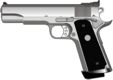
Greg_Meyer
New member
Through two tours in VietNam, and until I retired from the Sheriff's office (except for 6 months in California and 15 months in the beginning (before the Dept allowed us to carry 1911s) I carried a 1911. Never have had a problem and always carried cocked and locked.

GC
Well-known member
Originally Posted By: coleridgeOriginally Posted By: bigtommyI carry a Glock now while on duty I have also carried hk. And a 1911 while carrying those I practiced cocking the hammer while drawing it takes no more time than carying cocked it is all in training and small muscle memory it is too dangerous to Cary cocked
Please tell us how it is TOO DANGEROUS? Do you cock your glock when drawing? Just wondering how you decock it with a live round in chamber? ---- There is no difference in a 1911 cocked than a glock or XD.
I remember when some of the first pistols hit the marked with no external safety. Everyone was "scared". But had no problem carrying their DA revolver around fully loaded (with no external safety). No diff in that either.
The absolute safest way to carry a 1911 ready for immediate action is “cocked & locked.” No other way is safer and fumbling around trying to thumb cock the hammer is considerably slower and more dangerous than using the gun as John Moses Browning designed it to be used. The 1911 design when properly executed by the maker is safe, strong and reliable in true combat situations as proven by a heck of a lot of dead Germans, Japanese, Viet Cong and more recently Taliban could attest to – if they were alive. It cracks me up that many guys will disparage the 1911 as unsafe but then tromp around afield with a fully loaded semi-auto or pump shotgun which is a considerably less safe design while hunting and never think a thing about the safety of the gun as a consideration. Simply not logical thinking…
Please tell us how it is TOO DANGEROUS? Do you cock your glock when drawing? Just wondering how you decock it with a live round in chamber? ---- There is no difference in a 1911 cocked than a glock or XD.
I remember when some of the first pistols hit the marked with no external safety. Everyone was "scared". But had no problem carrying their DA revolver around fully loaded (with no external safety). No diff in that either.
The absolute safest way to carry a 1911 ready for immediate action is “cocked & locked.” No other way is safer and fumbling around trying to thumb cock the hammer is considerably slower and more dangerous than using the gun as John Moses Browning designed it to be used. The 1911 design when properly executed by the maker is safe, strong and reliable in true combat situations as proven by a heck of a lot of dead Germans, Japanese, Viet Cong and more recently Taliban could attest to – if they were alive. It cracks me up that many guys will disparage the 1911 as unsafe but then tromp around afield with a fully loaded semi-auto or pump shotgun which is a considerably less safe design while hunting and never think a thing about the safety of the gun as a consideration. Simply not logical thinking…
Squeeze
New member
Originally Posted By: ShoesOT has it. The spring on the striker is partially compressed when you rack the slide. Pulling the trigger compresses the rest of the way and then releases to fire. So once a round is in the chamber there is energy in the system much like a 1911 with the hammer back.
Pull the slide on any Glock, and you can move the striker
to the reset position, by hand, just the same way the striker
is reset by moving the slide 3/8". There is no spring tension
on the striker. There is no energy to go boom. Pull the
trigger, and the trigger moving rearward loads the striker
spring.
I pulled my XD apart, and the rearward motion of the slide
does load the striker, and is held by a latch, that requires
the grip safety, and the trigger, to be depressed, to trip.
Not quite as safe as I expected, but obviously good enough to
tumble down rocks, and not go BOOM.
Squeeze
Pull the slide on any Glock, and you can move the striker
to the reset position, by hand, just the same way the striker
is reset by moving the slide 3/8". There is no spring tension
on the striker. There is no energy to go boom. Pull the
trigger, and the trigger moving rearward loads the striker
spring.
I pulled my XD apart, and the rearward motion of the slide
does load the striker, and is held by a latch, that requires
the grip safety, and the trigger, to be depressed, to trip.
Not quite as safe as I expected, but obviously good enough to
tumble down rocks, and not go BOOM.
Squeeze
coleridge
Active member
Originally Posted By: SqueezeOriginally Posted By: ShoesOT has it. The spring on the striker is partially compressed when you rack the slide. Pulling the trigger compresses the rest of the way and then releases to fire. So once a round is in the chamber there is energy in the system much like a 1911 with the hammer back.
Pull the slide on any Glock, and you can move the striker
to the reset position, by hand, just the same way the striker
is reset by moving the slide 3/8". There is no spring tension
on the striker. There is no energy to go boom. Pull the
trigger, and the trigger moving rearward loads the striker
spring.
I pulled my XD apart, and the rearward motion of the slide
does load the striker, and is held by a latch, that requires
the grip safety, and the trigger, to be depressed, to trip.
Not quite as safe as I expected, but obviously good enough to
tumble down rocks, and not go BOOM.
Squeeze
U mean the xd operates the exact way a 1911 does... Who woulda thunk
Pull the slide on any Glock, and you can move the striker
to the reset position, by hand, just the same way the striker
is reset by moving the slide 3/8". There is no spring tension
on the striker. There is no energy to go boom. Pull the
trigger, and the trigger moving rearward loads the striker
spring.
I pulled my XD apart, and the rearward motion of the slide
does load the striker, and is held by a latch, that requires
the grip safety, and the trigger, to be depressed, to trip.
Not quite as safe as I expected, but obviously good enough to
tumble down rocks, and not go BOOM.
Squeeze
U mean the xd operates the exact way a 1911 does... Who woulda thunk
BroncoGlenn
New member
Originally Posted By: coleridge
I see no difference in a 1911 with a hammer cocked or a glock, karh, XD whatever. All sit in the holster with hammer back (it's just you can't see it). If you feel safe with one; you should the other...
The Glocks, XDs, et al don't have hammers like the 1911 does. When you pull the trigger on them, a sear is released that allows the firing pin to be pushed forward under spring pressure. With the 1911 the sear releases the hammer under spring pressure that in turn strikes the firing pin.
The striker fired guns are more akin to a bolt action rifle. The AR15, a Garand or M14 is more like the 1911 in that they operate with a hammer that strikes a firing pin.
Hammer fired guns will strike the primer with more force and will more reliably ignite hard primers such as those used in ammo intended for SMGs.
I see no difference in a 1911 with a hammer cocked or a glock, karh, XD whatever. All sit in the holster with hammer back (it's just you can't see it). If you feel safe with one; you should the other...
The Glocks, XDs, et al don't have hammers like the 1911 does. When you pull the trigger on them, a sear is released that allows the firing pin to be pushed forward under spring pressure. With the 1911 the sear releases the hammer under spring pressure that in turn strikes the firing pin.
The striker fired guns are more akin to a bolt action rifle. The AR15, a Garand or M14 is more like the 1911 in that they operate with a hammer that strikes a firing pin.
Hammer fired guns will strike the primer with more force and will more reliably ignite hard primers such as those used in ammo intended for SMGs.
Originally Posted By: SqueezeOriginally Posted By: ShoesOT has it. The spring on the striker is partially compressed when you rack the slide. Pulling the trigger compresses the rest of the way and then releases to fire. So once a round is in the chamber there is energy in the system much like a 1911 with the hammer back.
Pull the slide on any Glock, and you can move the striker
to the reset position, by hand, just the same way the striker
is reset by moving the slide 3/8". There is no spring tension
on the striker. There is no energy to go boom. Pull the
trigger, and the trigger moving rearward loads the striker
spring.
I pulled my XD apart, and the rearward motion of the slide
does load the striker, and is held by a latch, that requires
the grip safety, and the trigger, to be depressed, to trip.
Not quite as safe as I expected, but obviously good enough to
tumble down rocks, and not go BOOM.
Squeeze
http://www.gunsamerica.com/blog/guts-of-the-gun-1-striker-fired-pistols/
http://thearmsguide.com/611/how-guns-work-striker-fired-pistols/
Cliffs of the articles, striker is under some amount of compression when there is a round in the chamber....
Pull the slide on any Glock, and you can move the striker
to the reset position, by hand, just the same way the striker
is reset by moving the slide 3/8". There is no spring tension
on the striker. There is no energy to go boom. Pull the
trigger, and the trigger moving rearward loads the striker
spring.
I pulled my XD apart, and the rearward motion of the slide
does load the striker, and is held by a latch, that requires
the grip safety, and the trigger, to be depressed, to trip.
Not quite as safe as I expected, but obviously good enough to
tumble down rocks, and not go BOOM.
Squeeze
http://www.gunsamerica.com/blog/guts-of-the-gun-1-striker-fired-pistols/
http://thearmsguide.com/611/how-guns-work-striker-fired-pistols/
Cliffs of the articles, striker is under some amount of compression when there is a round in the chamber....

Originally Posted By: fw707Originally Posted By: bignastyOriginally Posted By: fw707I've been following this thread:
http://www.predatormastersforums.com/for...6691&page=1
and I had a question for the folks that carry the SA 1911 style 45 ACP's like the Kimbers and Colts.
Do you carry them loaded, cocked, and locked?
cocked and locked
Do you absolutely and totally 100% trust them cocked and locked with a round in the chamber?
Absolutely!
Regards,
hm
http://www.predatormastersforums.com/for...6691&page=1
and I had a question for the folks that carry the SA 1911 style 45 ACP's like the Kimbers and Colts.
Do you carry them loaded, cocked, and locked?
cocked and locked
Do you absolutely and totally 100% trust them cocked and locked with a round in the chamber?
Absolutely!
Regards,
hm
coleridge
Active member
Originally Posted By: BroncoGlennOriginally Posted By: coleridge
I see no difference in a 1911 with a hammer cocked or a glock, karh, XD whatever. All sit in the holster with hammer back (it's just you can't see it). If you feel safe with one; you should the other...
The Glocks, XDs, et al don't have hammers like the 1911 does. When you pull the trigger on them, a sear is released that allows the firing pin to be pushed forward under spring pressure. With the 1911 the sear releases the hammer under spring pressure that in turn strikes the firing pin.
The striker fired guns are more akin to a bolt action rifle. The AR15, a Garand or M14 is more like the 1911 in that they operate with a hammer that strikes a firing pin.
Hammer fired guns will strike the primer with more force and will more reliably ignite hard primers such as those used in ammo intended for SMGs.
So in essence it's "cocked" just like having the hammer back on a 1911... Hammer, striker, whatever you want to call it; somewhere on or in the pistol there is a pointy thingy that is UNDER TENSION or in front of tension (yes even the glock is under tension, the trigger only "increases the tension on the firing pin spring"). When sears & safety's are depressed, the kenetic energy under the spring is released & the gun goes bang.
The only difference is the 1911 uses 2 seperate peices to do the same thing. If the hammer was internal we wouldn't be having this conversation.
I see no difference in a 1911 with a hammer cocked or a glock, karh, XD whatever. All sit in the holster with hammer back (it's just you can't see it). If you feel safe with one; you should the other...
The Glocks, XDs, et al don't have hammers like the 1911 does. When you pull the trigger on them, a sear is released that allows the firing pin to be pushed forward under spring pressure. With the 1911 the sear releases the hammer under spring pressure that in turn strikes the firing pin.
The striker fired guns are more akin to a bolt action rifle. The AR15, a Garand or M14 is more like the 1911 in that they operate with a hammer that strikes a firing pin.
Hammer fired guns will strike the primer with more force and will more reliably ignite hard primers such as those used in ammo intended for SMGs.
So in essence it's "cocked" just like having the hammer back on a 1911... Hammer, striker, whatever you want to call it; somewhere on or in the pistol there is a pointy thingy that is UNDER TENSION or in front of tension (yes even the glock is under tension, the trigger only "increases the tension on the firing pin spring"). When sears & safety's are depressed, the kenetic energy under the spring is released & the gun goes bang.
The only difference is the 1911 uses 2 seperate peices to do the same thing. If the hammer was internal we wouldn't be having this conversation.

swift one
New member
There are Positives and Negatives to both Hammer and hammerless pistols. Most of pulling a pistol out of a holster needs to be all about muscle memory and where your trigger finger ends up when you are in threat ready. There is no difference in a 1911 with the hammer back and a G17 with one in the pipe in regards to where your trigger finger goes when you are pulling from the holster and being in threat ready. Once you depress the trigger safety on the glock and the trigger gets pulled, it deactivates the Firing pin Safety and the Drop Safety it it will go bang. You pull a 1911 out and pull the trigger, it will go bang.
I see the poor trigger finger placement all the time when I am teaching Glock classes- Especially with the Serpa holster. It's one of the first things that we break new students of quickly or they dont get qualified.
I see the poor trigger finger placement all the time when I am teaching Glock classes- Especially with the Serpa holster. It's one of the first things that we break new students of quickly or they dont get qualified.
Last edited:
deaddogwalkin
Active member
1911 locked and load with hammer back.
you guys that carry cocked and locked can not shoot any quicker than someone who has trained to draw and cock at the same time. I did it for years with no issues while on duty. If you draw cocked the bad guy can get his webbing of his hand between your hammer and the gun they practice this in the prison there is video to prove it they have showed us in training. Also if it is cocked and you are disarmed it is one less step for them to shoot. I can give you many more reason to not carry cocked than you can give to carry cocked. Best thing in all is carry hammerless IMO
Last edited:
GC
Well-known member
Originally Posted By: bigtommy1)you guys that carry cocked and locked can not shoot any quicker than someone who has trained to draw and cock at the same time. I did it for years with no issues while on duty.
2)If you draw cocked the bad guy can get his webbing of his hand between your hammer and the gun they practice this in the prison there is video to prove it they have showed us in training.
3)Also if it is cocked and you are disarmed it is one less step for them to shoot. I can give you many more reason to not carry cocked than you can give to carry cocked. Best thing in all is carry hammerless IMO
1) I am going to disagree with you and make some arguments to counter your assertions. First, this number one is absolutely ridiculous... respectfully.
 Thumb cocking a 1911 is an awkward manipulation of the handgun. Working around the beavertail is an awkward manipulation that promotes fumbling and considerably less control of the handgun in the draw stage. Were you never taught a proper grip and draw stage? The firing grip comes with the handgun in the holster with no shifting of the grip after you clear the handgun from the holster. Or, if you are cocking the 1911 while in the holster no way is that as fast as a normal and properly executed draw stage. This argument is dead in the water. Attempting to thumb cock the 1911 while drawing is slower, less secure and more dangerous than carrying cocked and locked as the weapon was designed to be carried.
When you go hunting do you carry your rifle or shotgun with an empty chamber and wait until the pheasant flushes or rabbit jumps or deer bust out of cover to rack, lever or bolt a round into the chamber? Bet you don’t and the safety systems built into a cocked and locked 1911 are safer than the trigger blocking only safety on nearly all pump or semi-auto shotguns or rifles. The only problem here isn’t with the 1911; it is your perception of it and lack of logical reasoning regarding the proper use of the handgun.
2) If somebody is that close and has physical contact with you and a struggle is ongoing, is thumb cocking the handgun in the draw stage supposed to be an answer to prevent your gun from being disabled? You mentioned duty use as I suppose from a LEO perspective so in fact drawing my handgun from my security holster while engaged in hands on contact isn’t high on my priority list just then, I have other options and other methods to give the bad guy something else to suddenly think about instead of fumbling around with an inert handgun between the two of us just then.
It is possible to grab cylinders on revolvers or block the hammer of revolvers to attempt to tie them up. Push hard on the muzzle of any semi-auto and see if it remains in battery and will fire. What's your point? Disarming techniques are taught and passed around in many circles and few weapons are exempt from this event. If someone is already wrapped around me trying to disarm me or is grappling for my handgun thumb cocking the weapon isn’t going to save me.
3) Unless the 1911 is cocked & LOCKED. Then that is one more step for the bad guy to figure out where the safety is and how to get the safety off safe to make the handgun fire. Pull and point guns like any double action revolver and many striker fired semi-auto handguns with no safety all make it easy to fire them in a disarming event. Not so a handgun with a safety.
2)If you draw cocked the bad guy can get his webbing of his hand between your hammer and the gun they practice this in the prison there is video to prove it they have showed us in training.
3)Also if it is cocked and you are disarmed it is one less step for them to shoot. I can give you many more reason to not carry cocked than you can give to carry cocked. Best thing in all is carry hammerless IMO
1) I am going to disagree with you and make some arguments to counter your assertions. First, this number one is absolutely ridiculous... respectfully.
When you go hunting do you carry your rifle or shotgun with an empty chamber and wait until the pheasant flushes or rabbit jumps or deer bust out of cover to rack, lever or bolt a round into the chamber? Bet you don’t and the safety systems built into a cocked and locked 1911 are safer than the trigger blocking only safety on nearly all pump or semi-auto shotguns or rifles. The only problem here isn’t with the 1911; it is your perception of it and lack of logical reasoning regarding the proper use of the handgun.
2) If somebody is that close and has physical contact with you and a struggle is ongoing, is thumb cocking the handgun in the draw stage supposed to be an answer to prevent your gun from being disabled? You mentioned duty use as I suppose from a LEO perspective so in fact drawing my handgun from my security holster while engaged in hands on contact isn’t high on my priority list just then, I have other options and other methods to give the bad guy something else to suddenly think about instead of fumbling around with an inert handgun between the two of us just then.
It is possible to grab cylinders on revolvers or block the hammer of revolvers to attempt to tie them up. Push hard on the muzzle of any semi-auto and see if it remains in battery and will fire. What's your point? Disarming techniques are taught and passed around in many circles and few weapons are exempt from this event. If someone is already wrapped around me trying to disarm me or is grappling for my handgun thumb cocking the weapon isn’t going to save me.
3) Unless the 1911 is cocked & LOCKED. Then that is one more step for the bad guy to figure out where the safety is and how to get the safety off safe to make the handgun fire. Pull and point guns like any double action revolver and many striker fired semi-auto handguns with no safety all make it easy to fire them in a disarming event. Not so a handgun with a safety.