Well, I'm not here to BS about anything, nor to say that anyone else is wrong etc. etc. I will just relay my experiences and let it go at that.
I live in the east and have called quite a bit. I used to take a few coyotes here and there, very few but I had a great time trying. I actually took more bobcats than I did coyotes. That was before more and more hunters were out blowing on predator calls. We didn't / don't have a large number of coyotes in the first place, and the ones we do have are difficult to call, moreso now than in the past.
I have hunted in New Mexico and Arizona too, and all I can say is that it was refreshing to see the sheer numbers of coyotes out there. Driving from Flagstaff for about an hour along the 4-lane, we counted 8 dead coyotes in the road. It's been years since I have seen 8 coyotes here. As well, those western coyotes responded to the call so often on stands that it was just hard to believe. Easier to call? Maybe. But maybe the numbers made the difference. Also, the terrain was more conducive to calling with better visibility whereas here in the mountains the land is difficult at best to call. Deep hollows, brushy hillsides, small private-owned tracks of land etc. make for difficult hunting. I often wonder how many coyotes I have actually called here that I have never seen. I have to drive distances inbetween stands too in order to hunt basically small, heavily-wooded areas with little visibility. I would love another western coyote hunt. Hunting them here doesn't allow for much action.
There are more factors involved in coyote hunting in the east vs west than you might realize if you have never hunted both. Some areas of the east are more productive than others. I'm sure there are differences in areas in the west too, with some being easier to hunt and others not so much. I have a good friend (PM member) who does quite a bit of calling in the east. He has access to several properties of large expanses of land, mainly open game-rich land and has an unbelievable about of coyotes. I am constantly amazed at the numbers of coyotes he has there compared to where I live. We live in bordering states. His success rates are really good, actually better than anyone else I know in the east and will rival some in the west.
Not all hunting places are created equal, and calling coyotes from one location to another can be distinctly different, even within the same region. Hunting where I live is very difficult to say the least. That doesn't necessarily mean that our coyotes are harder to call than those in the west, but there are unique circumstances where I live that creates very challenging hunting, not to mention the difference in coyote density.
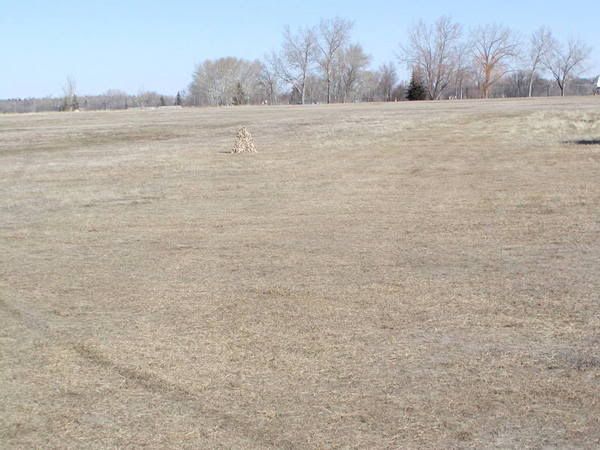
In my opinion, terrain and coyote numbers makes all the difference in success or failure, considering that a guy's tactics and calling ability are the same in both areas. Below are some examples of differences in terrain from one place to another. I mean, you can call an area all you want and have no success if there isn't a coyote within hearing range, and then you have to consider how much effort a coyote might have to take to get to the call as well as other factors. And then, if one does respond, the question is, will he wind you and you may never know he was there.
This is the area I have to hunt. Easy to hunt? Heck no.


View from my family farm.

A littler easier to see with a snow on the ground, but still deep hollows, trees, mountain laurel etc.


Called a black coyote up this trail one time. Sad to say it got away from me. Once he jumped
out of the path, my opportunity was gone.


It can be done here, but it's not easy. This is the most open area I have to hunt, but the
small field is at the upper end of the thick stuff. I called this coyote up out of the hollow.

This coyote was trotting away in the thickness behind me when I shot. Taking a shot was
difficult in all those sapplings and trees. If not for the snow on the hillside behind me
(where he first appeared), I may never have known he was there.

This place is two counties over from me. Strikingly different landscape.

This place is in south Georgia. Imagine a coyote circling down-wind in this area. How easy
would that be to kill one? You be the judge.

Hunting New Mexico with Tony Tebbe. We actually spotted this coyote via binoculars from
several hundred yards away as he was hanging around a cow that had just given birth.
We put a stalk on it by slipping into a low depression and eased up to a sand dune where
I took the shot. That one was stalked and not called. I could not have accomplished that here
due to terrain.

Arizona