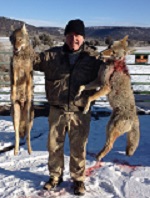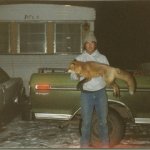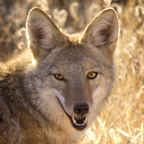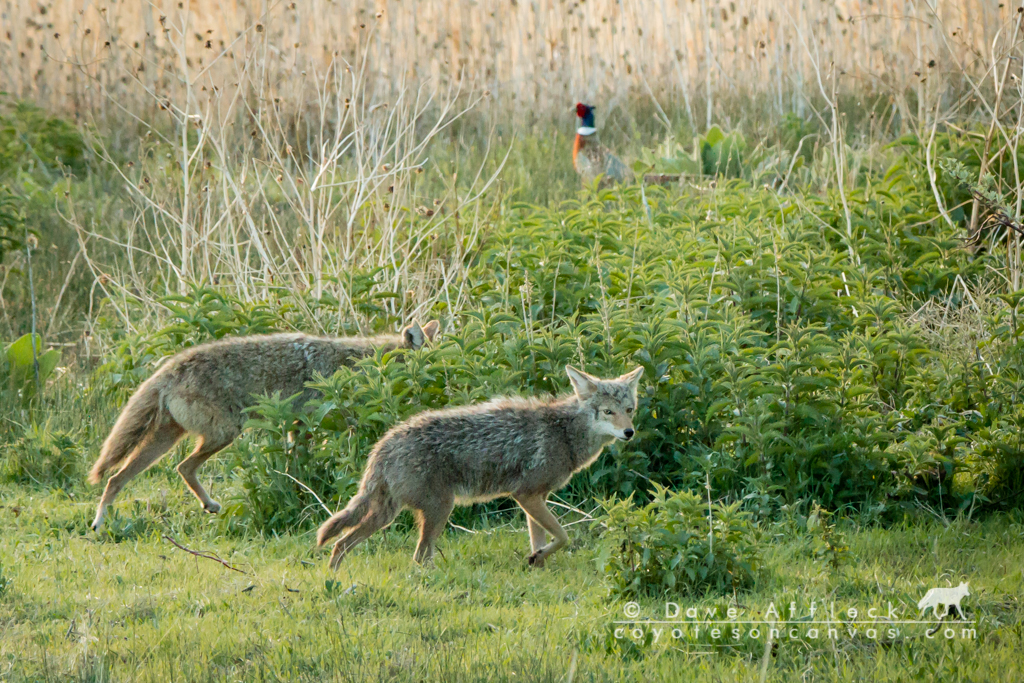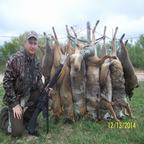
From our mule deer hunt last week. Story in big game forum, but my favorites.





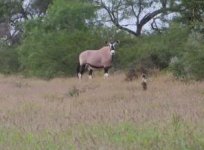
What a giant animal! I’d hate to have to quarter him up and pack it out.The eland is the largest antelope in the world. Weighing up to 2250 lbs and standing up to 6'6" at the shoulder, I have seen them jump a 6' fence with ease. I knew when I saw the first herd on the ranch as a guest, I would have to book a hunt. This mature bull sealed the deal .
View attachment 4468
Herd of mostly calves and cows and a couple of young bulls.
View attachment 4467
View attachment 4465
View attachment 4466
View attachment 4469View attachment 4476
This bull weighed 2000# and stood a bit over 6' at the shoulder. First shot tight behind shoulder w/375 h&h, 300 gr. Swift A Frame completely disconnected all the plumbing from top of heart and exited far side. Got off a quick 2nd shot as he ran into the brush but called it left. The bullet penetrated 32" and was recovered just behind the shoulder about 6" from entry of first shot. He managed to run about 34-40 yards.
View attachment 4474
Some of the best eating of all the exotics IMO.
What a giant animal! I’d hate to have to quarter him up and pack it out.
 Shot him an hour or so before dark and it was well after midnight when we finally got him in the cooler.
They have quite a herd of scimitars on Punta del Monte, just north of Raymondville. Very close to where you and your dad went for your nilgai hunt/fishing combo.Beautiful HM. I have shot several gemsbok, but never a scimitar horned oryx. They are very high on my list though.